In 2015, I invited my listeners to rethink Marx, and in 2018, I finally rediscussed his theories.
In the meantime, Karl Marx had his
200th birthday when he was honored with a statue,
a traffic light modification, a zero-euro bill, and a revitalization of the exhibition in his birthplace, now a museum.
I last visited the Karl-Marx-Haus on August 8,
2007. During his recent visit to Trier, Red Baron again sought out Karl Marx's birthplace.

|
| Brückenstraße 10 |

|
| Karl Marx as a world citizen |

The exhibits are located at the back of the building, accessible via a veranda decorated with flowers.

|
| This photo is from my 2007 visit. |

... Leonid Vasilievich Kozlov's closing appeal, "Proletarians of the world, unite!"

Marx's opus magnum, Capital: A Critique of Political Economy, is unreadable. Darwin allegedly had a copy but gave up reading. Even for a German speaker, Marx's twisted style is frequently incomprehensible. Still, Marx's ideas have decisively influenced the world economy.

Buddies Marx and Engels. Note Marx's open hand in asking for financial support. Friedrich Engels was the first son of the successful cotton spinning mill owner Friedrich Engels in the industrial region of Barmen, and he supported Marx financially throughout his life.

In England, which was much more industrially developed than Germany, Engels, according to his own observations and authentic sources, learned about the impact of Manchester liberalism on the situation of the working class.


Father Friedrich also owned a share in the Ermen & Engels cotton mill in Manchester. In November 1842, son Friedrich passed on his way to Manchester, where he was to complete his commercial training at the Ermen & Engels cotton mill, en route to Cologne. There, he first met Karl Marx in person during an editorial visit to the Rheinische Zeitung, where Karl was editor-in-chief. The two became friends and kindred spirits.
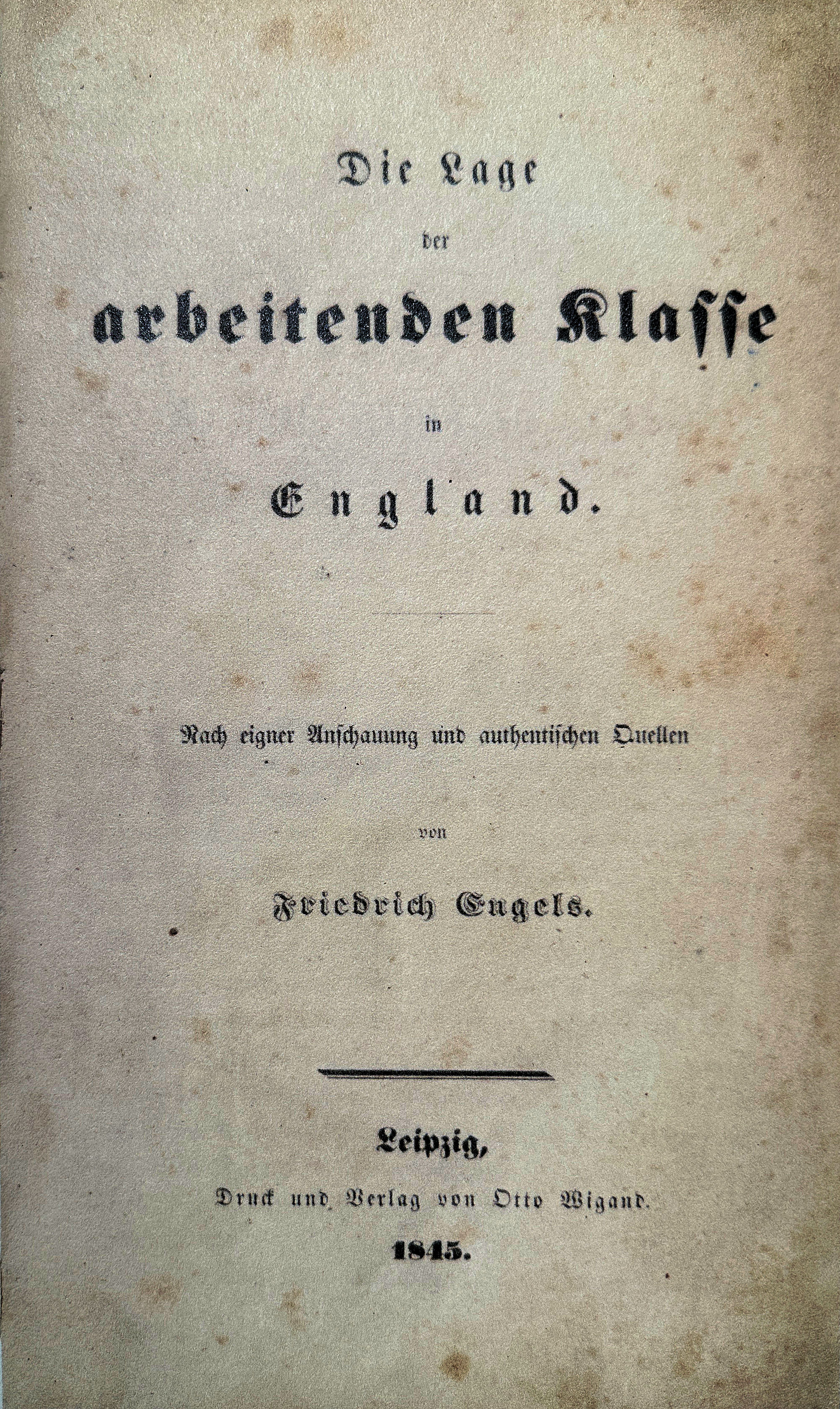
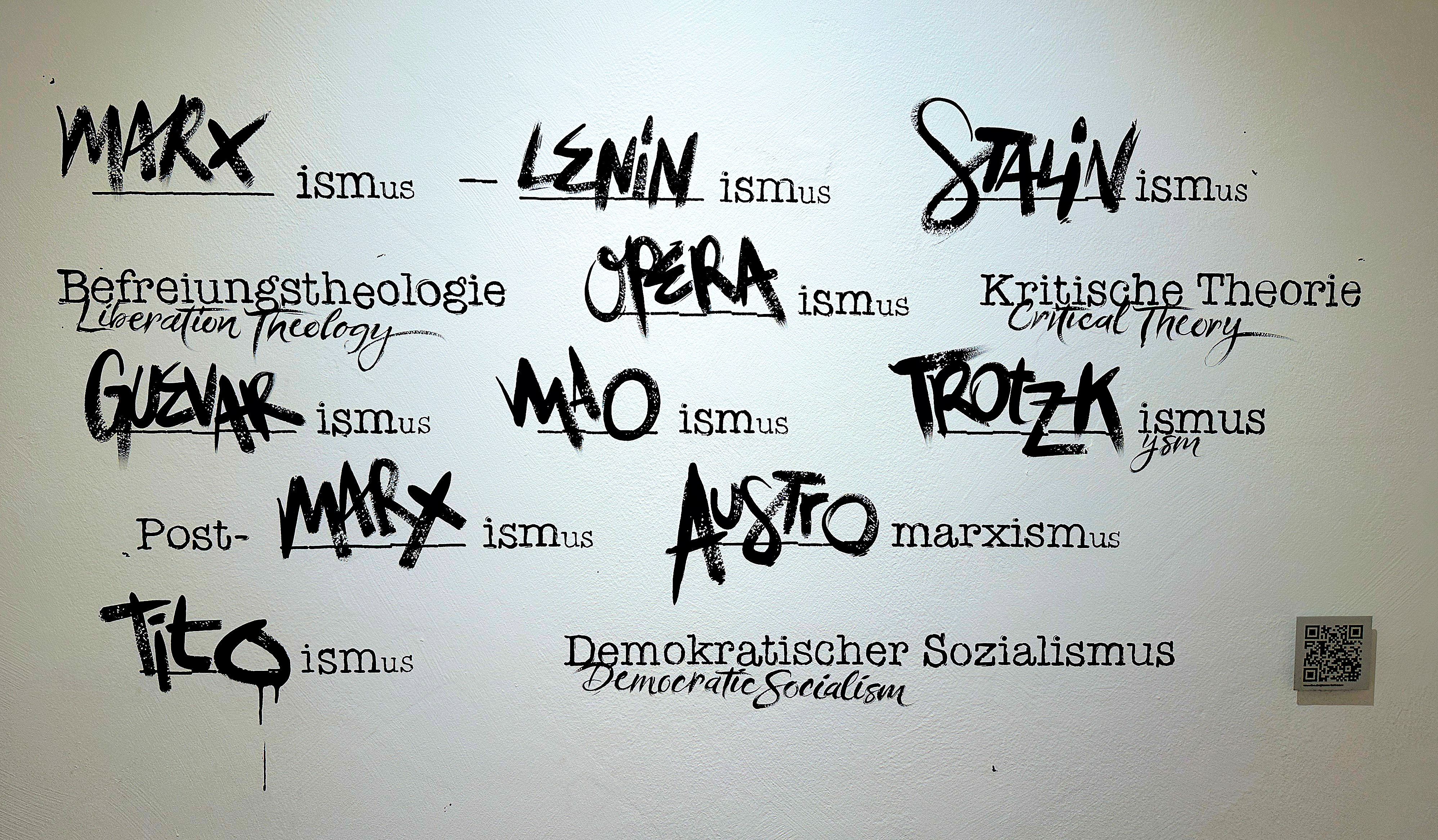
Out of Marxism, many more "isms" followed. We had Titoism in the Balkans, and apparently Guevarism existed in the Americas.
Red Baron is still struggling with Austromarxism, while the Democratic Socialism we once had within our own borders is no longer.
**

No comments:
Post a Comment